REVIEW · NEW DELHI
Dalai Lama Himalayan Trek
Book on Viator →Operated by Manu Adventures India · Bookable on Viator
A real spiritual route through India starts with temple silver. This trek blends Delhi sights with the Dalai Lama area in the Himalaya foothills, then saves the best awe factor for the mountains. You’ll also finish with a Taj Mahal day that feels like a reward for all that walking.
What I like most is the balance: big-city culture in Delhi, then slow, human-scale trekking days with donkeys carrying the camp gear. I also like that the trek has real structure, including tea-stop breaks like the Magic View shop, and a gradual on-ramp before the steeper Triund Hill day. One drawback to plan for: you should have a strong fitness level, because Triund Hill can be steep and rocky, and you’ll spend multiple hours hiking each trek day.
In This Review
- Key Points Worth Noticing
- Delhi Warm-Up: Akshardham’s Silver Glow and Hanuman’s Monkey Temple
- The Overnight Train and Dharamsala Start: Where the Spiritual Part Really Lands
- Kareri to Naddi: Donkeys Carry the Load, You Trek With Day Bags
- Triund Hill (Days 6–7): Rhododendron Forests, Magic View Tea, and First Big Peaks
- McLeod Ganj and Dharamsala: Cable Car Views, Tea Plantations, and the Cricket Stadium
- Taj Mahal Finale and Last Afternoon in Delhi
- Value for Money: Is $1,463.90 Worth It?
- Who This Trek Is For (and Who Should Rethink It)
- Practical Tips: What to Pack and How to Prepare for Tent Nights
- Should You Book the Dalai Lama Himalayan Trek?
- FAQ
- How long is the Dalai Lama Himalayan Trek?
- What is the starting point and start time?
- Is pickup offered?
- What’s the maximum group size?
- Are meals included?
- Are train tickets included?
- Is an air-conditioned vehicle included?
- Is a mobile ticket used?
- What is not included in the price?
- Is the trek suitable for beginners?
Key Points Worth Noticing
- Small group size (max 35) helps the trek feel organized without getting crowded
- Camp comfort details show up in the gear setup, including thick mattresses and fleece-lined sleeping bags
- Donkeys carry the heavy stuff, so you trek with day bags while tents and equipment move between camps
- The itinerary pairs spirit and scenery, with the Dalai Lama area in the foothills and then first views of huge peaks
- Taj Mahal is timed as a finale, not a random side stop
- Meals are built in, with dinners for 11 days and multiple breakfasts and lunches included
Delhi Warm-Up: Akshardham’s Silver Glow and Hanuman’s Monkey Temple
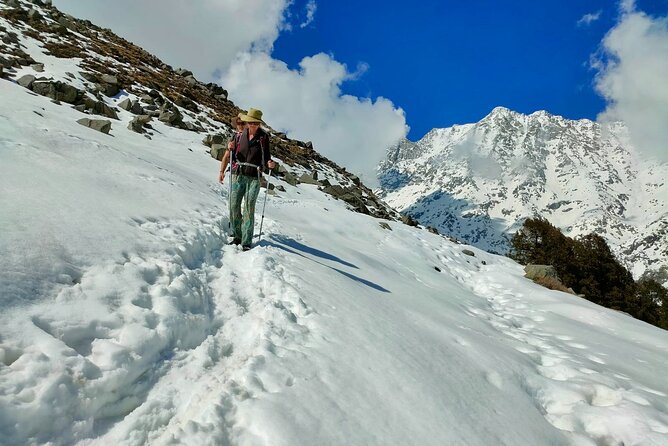
Delhi can feel like sensory overload on day one, so I like that this trip gives you a gentle landing before it throws you into sightseeing. After you arrive at Indira Gandhi International Airport, you’re routed to a TWG Tea Boutique stop, then transferred to your hotel to freshen up and get your bearings.
From there, the pace turns into playful Delhi. You’ll head toward the Monkey Temple of Hanuman nearby, which is a quick way to see how local religious life plays out right next to everyday streets. It’s the kind of visit that makes the rest of the tour feel grounded, not staged.
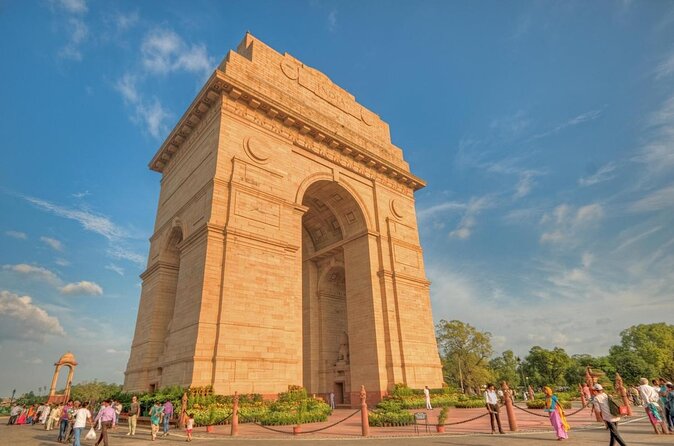
Day two keeps that momentum with a classic Delhi landmark and a temple experience that feels more “build” than “brief stop.” You’ll visit India Gate, then head to Akshardham Temple, described as all silver and gems, and noted as very popular even though it’s off the main tourist track. Translation for you: you get a major religious spectacle without spending the whole day in the densest crowds.
Practical note: Delhi days are scheduled as blocks of time (about four hours each), so you’ll still get a full day feel, but you won’t be aimlessly wandering. If you like clear plans, that’s a win.
The Overnight Train and Dharamsala Start: Where the Spiritual Part Really Lands
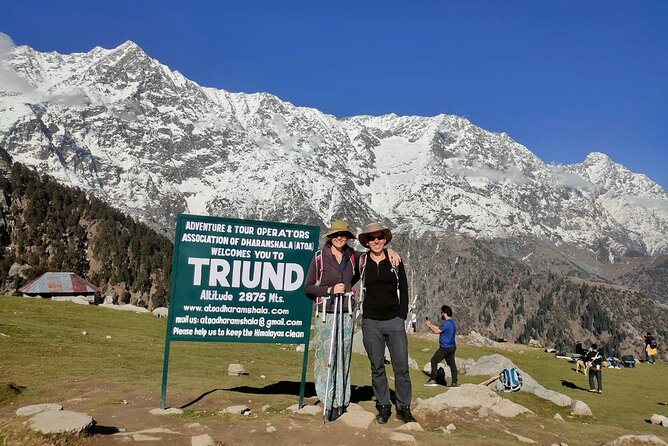
The trip’s first big shift happens after you leave Delhi. You’ll travel to Pathankot station, grab breakfast at an open-air restaurant, then continue on to Dharamsala. Once you check in, there’s time to wander in the local area before the trek days begin.
The overview of the trip is clear about what you’re doing in the hills: the overnight train sets you up to reach the Dalai Lama’s exiled home and temple area in the foothills of the Himalayas. Even if you’re not making this trip only for spirituality, this part matters. It’s where the tour stops feeling like a collection of stops and starts feeling like a journey with meaning.
What I like here is that the program doesn’t rush you into hard hiking immediately. You arrive, you settle, and you get a window to adjust to a different rhythm. That matters because the trekking portion is demanding, and you want your body ready for the next days.
Kareri to Naddi: Donkeys Carry the Load, You Trek With Day Bags
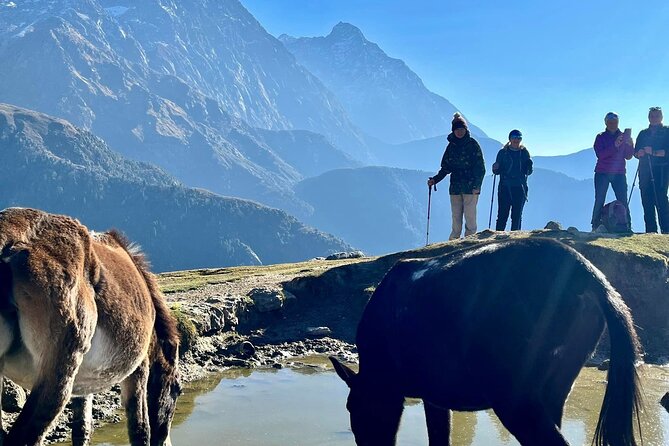
Now comes the real change: moving from vehicles and temples to trails, small villages, and camp life. On day four, you’ll reach Kareri, and before you start walking, you’ll do the practical part first—greeting the donkeys. These animals handle the heavy transfer of belongings, tents, and camp equipment from camp to camp.
Then you trek with just your day bag. That single design choice changes everything. It reduces fatigue on the trail, and it makes the hiking feel more like a series of manageable efforts instead of a constant grind.
Day four is described as a five-hour trek, which tells you the walking isn’t just ceremonial. You’re moving enough to feel the countryside shift around you.
On day five, you head to Naddi View Point through rustic villages. The details are the kind that make a trek feel real: families going about daily life, goats and cows tended near homes, and children who giggle as you pass. You’ll also get a reminder that good food is part of the experience here. The itinerary calls out how amazing the tent meals are, and in the broader feedback, people highlight “amazing food cooked for you.”
Even if you’ve camped before, the social part of trekking through working villages is what sticks. You aren’t just taking photos at scenic pull-offs. You’re walking through a landscape where people live.
Triund Hill (Days 6–7): Rhododendron Forests, Magic View Tea, and First Big Peaks
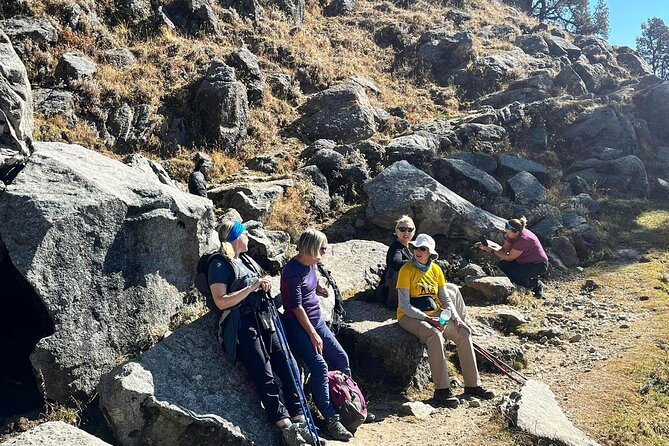
Days six and seven are where your camera roll and your legs both get tested.
Day six includes a trek through a forest of rhododendrons, plus a break at a tea shop called Magic View. The name isn’t just marketing fluff; the description points to the steady height you gain, so you can take a breath, sip something warm, and appreciate you’re actually climbing toward those big views.
This is also when you’ll start noticing the difference between hiking for distance versus hiking for altitude and exposure. The program emphasizes views and height, so you’ll want to pace yourself. Don’t “win” the trail by forcing speed. Triund is a place to keep effort steady and let the scenery arrive.
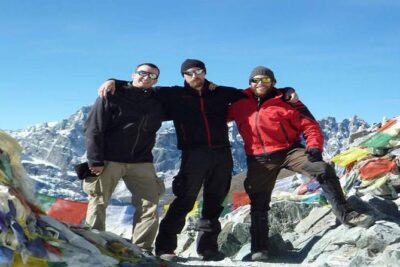
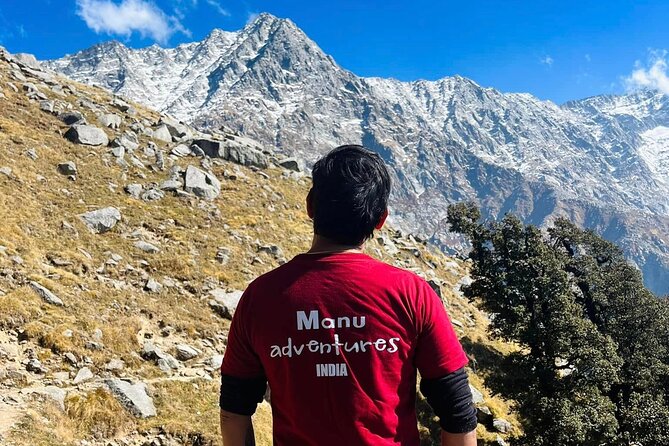
Then day seven is Triund Hill. The trek is called steep and rocky in places, and that’s your heads-up: bring your best balance and a plan to move carefully on uneven ground. The payoff is described as your first big sight of huge peaks that dwarf you. That moment tends to recalibrate your whole trip—your mind goes quiet, and you understand why people do this route again and again.
If you’re wondering what the “eerie silence” means, trust the experience design. This is the part of the itinerary that slows you down naturally. You’re high enough for a different kind of stillness.
McLeod Ganj and Dharamsala: Cable Car Views, Tea Plantations, and the Cricket Stadium
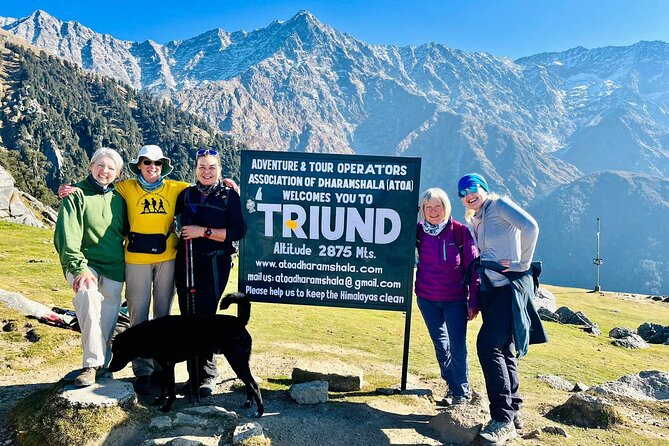
After you crest the trek, day eight shifts from uphill effort to recovery. You’ll descend back at your own pace and arrive in Dharamsala, with a chance for a well-deserved shower and rest. That shower piece matters. Camping nights and active days make cleanliness feel like a luxury, and this itinerary builds that reward in.
That evening, you’ll have a Tibetan-style meal. It’s a nice cultural bridge: you’re still in the Tibetan-influenced area, but now you’re letting food and comfort carry the mood instead of trail effort.
Day nine adds variety and keeps you from feeling “stuck in one town.” You’ll take the brand-new cable car from McLoudganj to Dharamshala, then visit a tea plantation and a world-famous cricket stadium. If you’re a cricket fan, great. If you’re not, the stadium visit still gives you a sense of how this region lives with international attention.
The evening includes transfer to Pathankot railway station, setting up the next leg back.
Taj Mahal Finale and Last Afternoon in Delhi
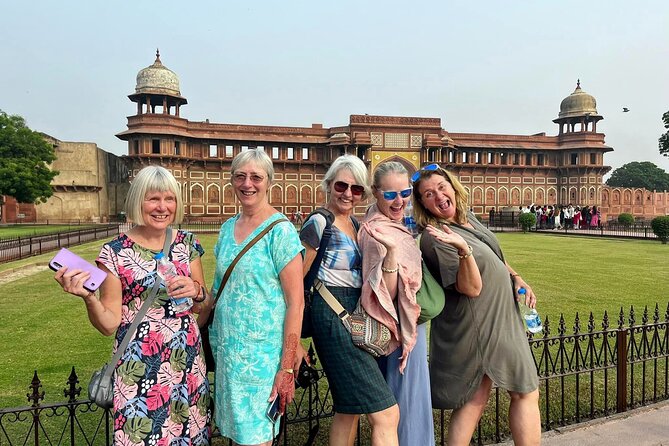
Day ten is your Taj Mahal day, and I like that it’s scheduled as the culmination instead of an early “big highlight” that you then spend the rest of the trip chasing. You’ll transfer from Agra to visit the Taj Mahal, then enjoy a celebration meal nearby. The itinerary frames it as icing on the cake, and after the trek, it really will feel like that: you’re looking at history with fresh eyes.
Day eleven brings you back to Delhi for a final afternoon. You’ll have time for shopping in Connaught Place and also for taking in preserved areas. This works well because it doesn’t force you into another all-day itinerary loop. You can pick the vibe you want: souvenirs and snacks, or a slower look at architecture and streets.
Value for Money: Is $1,463.90 Worth It?
At $1,463.90 per person, this is not a budget trip. But it isn’t “just” a trekking tour either. The value comes from packing multiple expensive components into one package: train tickets, an air-conditioned vehicle, and a full set of included meals (dinners for 11 days, breakfasts for 10 days, lunches for 5 days).
The trek portion also includes real on-the-ground logistics: tents, sleeping gear, and camp setup—plus donkey transport for camp equipment. In the feedback, people specifically mention warm dry tents, thick mattresses, fleece-lined sleeping bags, and food cooked for you. That’s huge. Many tours say camping, but then the sleeping reality is rough. Here, the comfort details are called out.
What’s not included is also part of value math. Airport/departure tax and tips aren’t included. If you’re the type who plans to tip generously, build that into your budget so there’s no last-day surprise.
Another cost-to-value point: the group size is capped at 35, and you get a guided structure. That means less stress for you when you’re handling trains, transfers, and multi-day hiking.
Who This Trek Is For (and Who Should Rethink It)
This is for you if you want a trip that blends spirituality and nature without turning either into a rushed checkbox. You’ll appreciate time in the Dalai Lama area and the way Delhi’s temples set the spiritual tone before you hit the Himalaya foothills.
It’s also a strong fit if you like trails where you meet daily life along the way. The program’s village descriptions and the donkey-supported camp system point to an outdoor experience that’s more human-scale than hardcore expedition style.
You should rethink this if your fitness isn’t strong. The tour notes that travelers should have a strong physical fitness level, and Triund Hill is described as steep and rocky in places. If you get intimidated by uneven ground, you’ll want to be honest with yourself before booking.
Also consider time and energy balance: this itinerary covers a lot of India variety—Delhi, Dharamsala region, multiple trek days, cable car views, tea plantation, cricket stadium, and then Taj Mahal. That variety is fun, but it’s not slow travel.
Practical Tips: What to Pack and How to Prepare for Tent Nights
The tour clearly supports your comfort in camp, but you still need to prepare for the outdoors. People mention fleece-lined sleeping bags and thick mattresses, which suggests you’ll sleep better than average, but it still won’t feel like a hotel.
Pack for trekking conditions you’ll face on steep, rocky sections—items that help with grip and ankle stability go a long way. Bring layers you can adjust as you go from warmer village areas to cooler higher elevations. If you hate getting cold at night, treat your sleep system seriously and don’t rely on guesswork.
Also pack for days where you’re trekking for hours with a day bag. Even if donkeys handle tents and camp gear, you’ll still be responsible for your personal comfort: water strategy, sun protection, and small essentials.
Finally, do yourself a favor: if you can, do some pre-trip hiking or stair work before you go. The itinerary is built for people who can handle multiple five-hour-ish walking days and steep rocky moments.
Should You Book the Dalai Lama Himalayan Trek?
I’d say book it if you want a once-in-a-lifetime mix of spiritual places, village trekking, and real Himalayan viewpoint payoff. The schedule builds to Triund Hill, then softens into recovery in McLeod Ganj before finishing with the Taj Mahal, so your energy has a rhythm instead of feeling random.
You might skip it if you’re looking for a gentle sightseeing-only trip or if your fitness level can’t handle steep, rocky hiking. This one rewards effort.
FAQ
How long is the Dalai Lama Himalayan Trek?
It’s listed as about 11 days.
What is the starting point and start time?
It starts at Indira Gandhi International Airport in New Delhi at 9:00 am.
Is pickup offered?
Yes, pickup is offered.
What’s the maximum group size?
The tour has a maximum of 35 travelers.
Are meals included?
Yes. Dinner is included for 11 days, breakfast for 10 days, and lunch for 5 days.
Are train tickets included?
Yes, train tickets are included.
Is an air-conditioned vehicle included?
Yes, an air-conditioned vehicle is included.
Is a mobile ticket used?
Yes, the tour includes a mobile ticket.
What is not included in the price?
Airport or departure tax and tips are not included.
Is the trek suitable for beginners?
The tour notes that travelers should have a strong physical fitness level, so it’s not aimed at beginners.