REVIEW · PORT MORESBY
11 Day Kokoda Trek Australian and Local Guides
Book on Viator →Operated by No Roads Expeditions · Bookable on Viator
Kokoda is history you can walk. This 11-day Kokoda Track trek in Papua New Guinea links Port Moresby flights, village trails through the Owen Stanley Ranges, and WWII sites in a way that feels personal and practical, not just scenic. I like that the pace is built around a small group (max 14) and tents plus a Hilton night so you’re not guessing how the trip will run.
Two things I really like: the mix of local guides and Australian guides, with support that keeps you moving even when the climb hurts, and the way the trail keeps feeding you with proper meals (including local dishes) instead of constant snack-mode. One consideration: you need strong physical fitness. This is rugged terrain with steep ascents, descents, and river crossings, and it won’t be a relaxed hike.
In This Review
- Key points to know before you go
- Port Moresby setup: Hilton Hotel briefing and an easy start
- Flying into the Owen Stanley Ranges: Port Moresby to Popondetta
- Alola and Isurava: when the trail turns into a WWII walk
- Templeton’s Crossing 1 (Dump 1) and Eora Creek: long day, strong payoff
- Mt Bellamy climb to 2,190m: Kokoda Gap views and real effort
- Day 6 Sabbath in the village: a personal cultural moment
- Kagi to Menari and Brigade Hill: steep climbs with meaning
- Menari to Nauro: saddle climb, lowland swamps, river crossings
- Nauro to Wa-ule Creek: Maguli Range and a long, steep descent
- Owers’ Corner and Imita Ridge: final challenge before the end
- Day 11 return: a straightforward send-off
- Camping, hotel nights, and meals that keep up with tough days
- Guides and small-group pacing: where the trip becomes manageable
- River crossings, steep ascents, and why fitness matters
- Price and value: what $3,442.77 includes (and what it doesn’t)
- Who should book this 11-day Kokoda Track trek
- Should you book this Kokoda Track trek?
- FAQ
- Where does the trek start, and when?
- How long is the trek?
- What lodging do I get during the trip?
- What meals and trail supplies are included?
- How many people are in the group?
- Can I cancel for a full refund?
Key points to know before you go
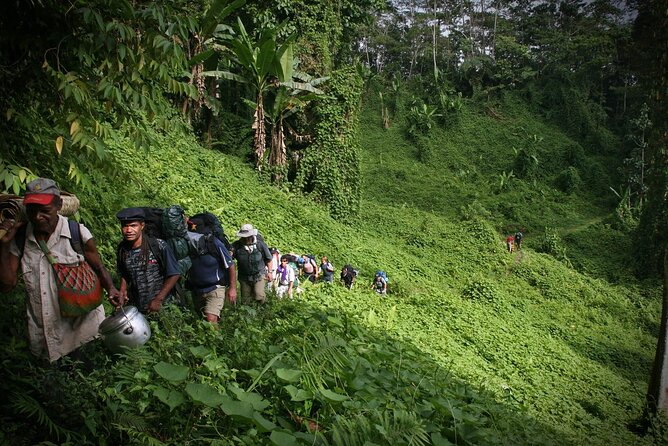
- Max 14 trekkers means more attention on the steep parts and river days
- 9 nights camping + 2 hotel nights keeps things real without living in total rough mode
- WWII memorials and key sites are worked into your walking days, not tacked on
- Australian and local guides share practical route knowledge and PNG stories along the way
- Meals are handled for you (10 breakfasts, 9 lunches, 9 dinners) so you can focus on walking
Port Moresby setup: Hilton Hotel briefing and an easy start
Day 1 is your on-ramp. You get picked up from the airport and transferred to the Hilton Hotel in Port Moresby, where you’ll get a briefing from your guide that evening. It’s a smart way to reset from travel stress: you get answers early about what to expect, what to pack, and how the team runs day-to-day.
This is also your chance to get your “first-day legs” sorted. Even if you’ve trained, altitude changes and humidity can make you feel different fast. Use that first night to hydrate, eat something normal, and get a good sleep before the jump into trek mode.
You can also read our reviews of more tours and experiences in Port Moresby.
Flying into the Owen Stanley Ranges: Port Moresby to Popondetta
On Day 2, the pace shifts from city to trail with a 7:00 am flight from Port Moresby to Popondetta (about 30 minutes). From there you travel along the same rugged route once used by Imperial Japanese Forces during WWII, which sets the tone immediately. You’re not just hearing about the Kokoda Track. You’re stepping into the corridor those events moved through.
The practical benefit of doing the domestic flight is time. Instead of spending days just reaching the start, you’re able to focus on the walking and the cultural contact that happens along the way. That matters on an 11-day trip where every day includes real elevation and uneven ground.
Alola and Isurava: when the trail turns into a WWII walk
Day 3 starts with a full camp break, then your trek moves toward Alola. The big emotional stop here is the Isurava Battlefield Memorial, one of the most moving sites along the Kokoda Track. You’ll pass it as you move, not as a separate excursion, so it becomes part of your physical rhythm—walk, pause, reflect, then keep going.
This is where I think many people feel the tour’s core value. WWII history can be dry on a page. On Kokoda, the terrain forces you to slow down and notice what movement would have cost—energy, time, weather, and fear. Even if you know the basics, the track makes the stakes feel immediate.
Templeton’s Crossing 1 (Dump 1) and Eora Creek: long day, strong payoff
Day 4 takes you from Alola to Templeton’s Crossing 1, also known as Dump 1, at the base of Mt Bellamy. The route goes via Eora Creek, which helps link the story points together with the geography. This is one of the longer days on the track, so it’s a day to respect your body early.
If you’re the type who pushes too hard on Day 1 of a multi-day hike, this is your reminder to pace. The longer day doesn’t mean you have to crawl, but you do want steady effort so you’re still able to enjoy what’s ahead—especially once the route starts climbing toward Mt Bellamy.
Mt Bellamy climb to 2,190m: Kokoda Gap views and real effort
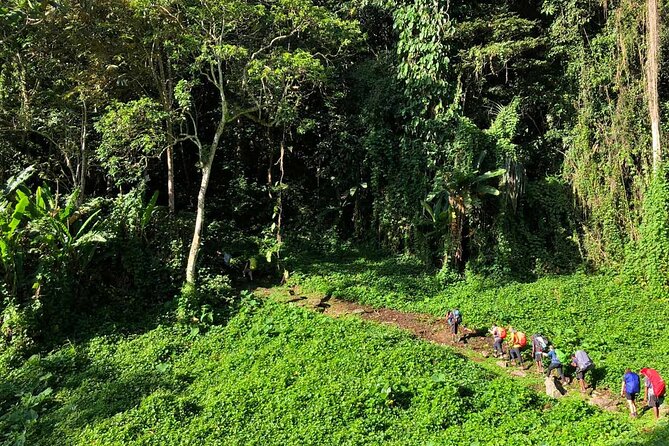
Day 5 is the big altitude moment: a steady ascent to the highest point on the Kokoda Track, Mt Bellamy at 2,190 metres. The climb is challenging, and it earns its reputation. You’re working uphill in rugged terrain where footing matters and breathing becomes part of the pace.
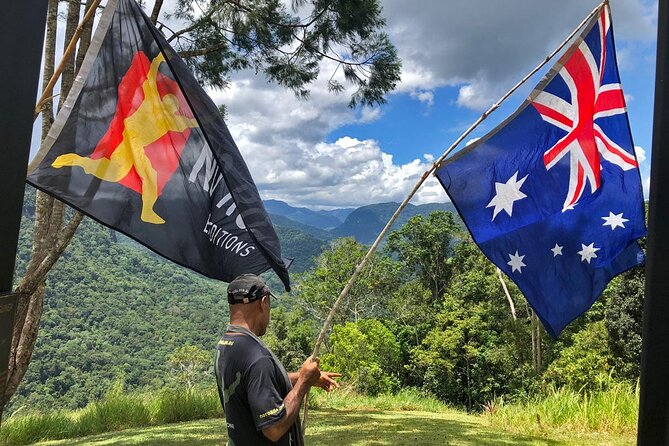
Then you get the payoff. The Kokoda Gap brings sweeping views, and those open moments can feel like a reward for the physical grind. I like this day because it balances struggle with clarity: you finally understand why this route was so strategically important and why people remember it.
Day 6 Sabbath in the village: a personal cultural moment
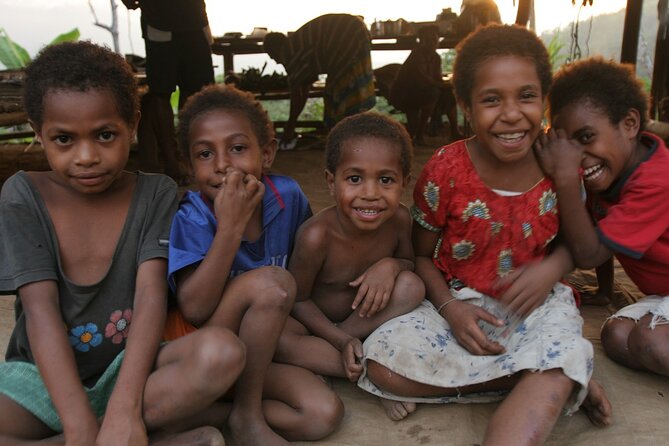
Day 6 has a different kind of challenge: it’s the local Sabbath, observed by the Seventh-day Adventist community. If you want to participate, you’re warmly invited to attend a church service, and it’s described as a deeply personal opportunity to hear singing and experience how daily life and faith connect.
This is the day that often makes Kokoda feel more like a human journey than a memorial walk. You’re moving through villages with living traditions, not just passing through locations. Even if you’re not religious, it’s worth showing up with respect and curiosity, because that’s how you get the best understanding of PNG culture.
Kagi to Menari and Brigade Hill: steep climbs with meaning
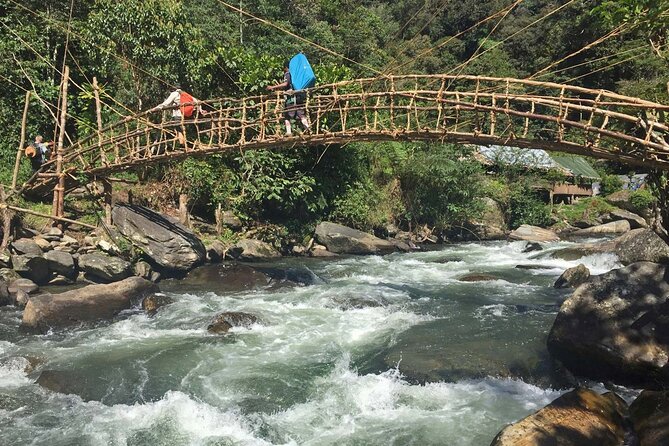
Day 7 goes from Kagi to the village of Menari. You’ll tackle a memorable ascent of Brigade Hill in the morning, one of the most significant sites along the track both historically and physically. That means you’re not just climbing for fitness; you’re climbing toward a place where the WWII story lands hard.
After the summit, the day shifts as you begin a descent toward Menari. The descent can be just as demanding as the climb—watch your steps, protect your knees, and keep your legs under control. This is where small-group dynamics help, too: the team can manage the pace and spacing so nobody gets left behind.
Menari to Nauro: saddle climb, lowland swamps, river crossings
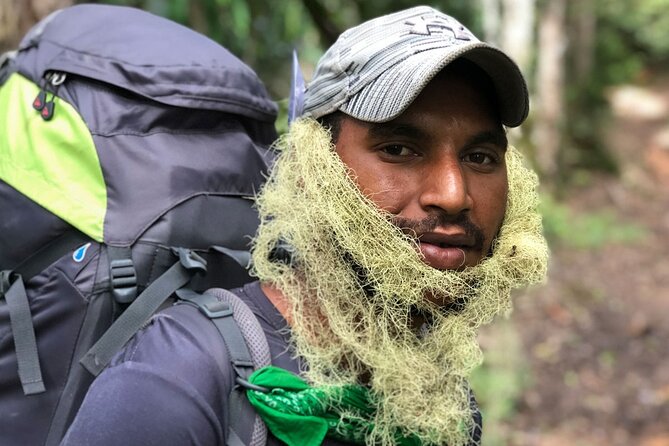
Day 8 starts with a steep climb over the saddle, then you drop into the lowlands. Expect swampy terrain and several river crossings along the way to your campsite. This is one of those Kokoda days where it can feel like the trek changes from a mountain hike into something more like water-and-mud travel.
The good news is that your team is built for this. River days are where you want clear guidance and calm group movement. Keep your confidence, don’t rush, and treat every crossing as a process rather than a stunt. When you reach camp, you’ll likely feel wiped out in a satisfying way.
Nauro to Wa-ule Creek: Maguli Range and a long, steep descent
Day 9 takes you from Nauro to Wa-ule Creek. You begin with a steady climb through open grasslands, then ascend the Maguli Range. Once you’re at the top, the day turns into a long, steep descent through dense jungle.
This combination is tough on your calves and hips. Uphill work taxes your breathing, then the downhill asks for control. I like that the route includes both types of terrain because it prepares you for what the track actually is: continuous effort, not one big highlight day followed by easy miles.
Owers’ Corner and Imita Ridge: final challenge before the end
Day 10 is your finish line within the trek itself: Wa-ule Creek to Owers’ Corner. You start with several river crossings, then you tackle the long, steep ascent of Imita Ridge. That last climb is the final test that decides how good your ending feels.
When you finally crest the ridge, it’s not just relief. You’re also closing the loop on the whole Kokoda experience: the hard walking, the WWII sites, the village days, and the sense of moving through a corridor that shaped history. After that, Day 11 becomes a decompression day.
Day 11 return: a straightforward send-off
After breakfast on Day 11, you head home. This is intentionally simple: you’ve done the hard part, and the trip’s structure gives you time to pack up and transition. If you’re someone who likes clean endings, this works well.
Even though it’s the last day, don’t treat breakfast like a full stop. Hydrate and take care of your feet. They’ve carried you through enough changes in terrain to deserve the attention.
Camping, hotel nights, and meals that keep up with tough days
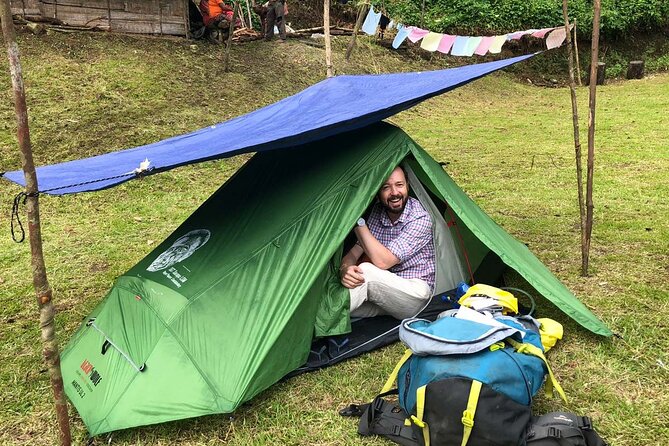
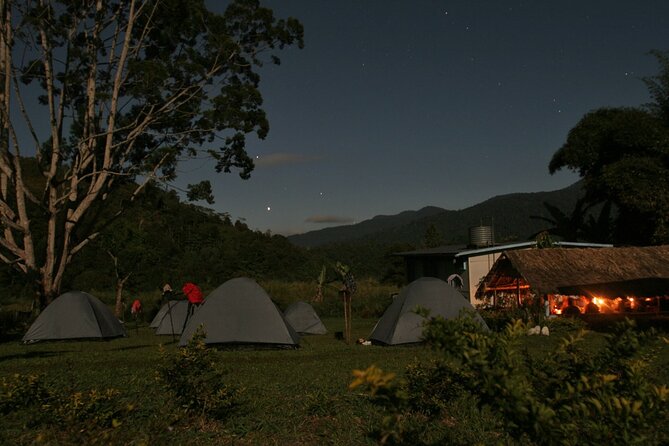
You’ll spend 9 nights camping and 2 nights in a hotel. That blend matters. Pure camping can get tiring fast on a demanding trek, while pure lodging can feel like you didn’t really earn the trail. This setup gives you the real Kokoda experience under canvas, with a couple of “reset nights” at a hotel to help your body and head recover.
Food is also handled for you: 10 breakfasts, 9 lunches, and 9 dinners, with local cuisine included. On a trek with steep days, meals aren’t just comfort—they’re part of the schedule. You can focus on walking because you’re not building your own food plan while trying to recover between days.
Your trail kit includes all tents and cooking/eating equipment, including knives and forks. That means you’re not tracking down gear in a country you don’t know.
Guides and small-group pacing: where the trip becomes manageable
The guiding team is a major part of why Kokoda works as a human experience. This tour pairs Australian and local guides, and the group size stays capped at 14 trekkers. For you, that translates into more chances to get corrections on footing, better control on river crossings, and less waiting when the terrain slows you down.
If you’ve ever been on a big-group trek where the slowest person becomes a problem, you’ll appreciate this setup. Kokoda has too many “moment-to-moment” decisions to run smoothly with a huge crowd.
Also, you may meet guides such as Robyn within the broader Kokoda team. That kind of local care is what helps the hardest days feel survivable without becoming careless.
River crossings, steep ascents, and why fitness matters
This trek is built around tough days: steep ascents, steep descents, swampy lowlands, and several river crossings spread across multiple days. That’s not a “somewhat challenging hike” situation. The trail expects real stamina and reliable balance.
The operator calls for strong physical fitness, and you should take that seriously. If you’re on the edge fitness-wise, you might still finish, but the emotional satisfaction tends to come from moving through the obstacles with confidence, not just endurance.
A good rule: train for uneven ground and uphill effort, then pack mentally for the fact that wet, muddy, and slippery sections can slow you down even if you feel strong.
Price and value: what $3,442.77 includes (and what it doesn’t)
The price is $3,442.77 per person for an 11-day trek, including a lot of the expensive logistics. You’re not paying extra for domestic flights, permits, transfers, or the trail food and camping setup. You also get 2 hotel nights at the Hilton and all tent and cooking equipment.
That’s the key value angle: Kokoda is logistically complex, and this price wraps many of those pieces together. When a trek includes permits, domestic flights (Port Moresby to Popondetta), and all on-trail meals, you’re buying time and coordination as much as you’re buying days on a trail.
What’s not included: international airfares, travel insurance, tips for the local team, and 1 dinner on the first night. If you’re budgeting, plan for insurance and that first-night meal gap so your money matches your schedule.
Who should book this 11-day Kokoda Track trek
This is best for you if you want Kokoda as a full experience: WWII sites, village culture, and a serious multi-day trek with camping. If you care about the human side of the trail—how local communities live and how guides connect the route to meaning—this format fits well.
You should think twice if you want a gentle holiday or you’re not ready for physically hard terrain. The trek is designed for people who can handle steep climbs, uneven footing, and long walking days.
If you’re an Australian history fan, PNG culture admirer, or simply someone who likes real travel over checklists, this sits in a sweet spot.
Should you book this Kokoda Track trek?
I’d book if you want an 11-day Kokoda that’s structured, guide-led, and logistically covered: domestic flights handled, permits sorted, meals planned, and camping set up. The small group limit also helps you feel supported on the toughest sections.
I wouldn’t book if your fitness is only average or if you need predictable comfort every day. Kokoda is earned, not handed to you, and the reward comes from doing the hard work with a team that knows the track.
If you meet the fitness requirement and you’re excited by WWII sites plus village life, this is a strong match.
FAQ
Where does the trek start, and when?
The meeting point is Jackson Field in Port Moresby, Papua New Guinea, with a start time of 9:00 am.
How long is the trek?
It’s an 11-day experience on the Kokoda Track.
What lodging do I get during the trip?
You get 2 nights at the Hilton Hotel and 9 nights camping, for a total of 11 days.
What meals and trail supplies are included?
You get all food on the trail, including 10 breakfasts, 9 lunches, and 9 dinners. The tour also provides all tents and cooking/eating equipment, including knives and forks.
How many people are in the group?
The maximum group size is 14 trekkers.
Can I cancel for a full refund?
Yes. You can cancel up to 24 hours in advance for a full refund, based on local experience start time.